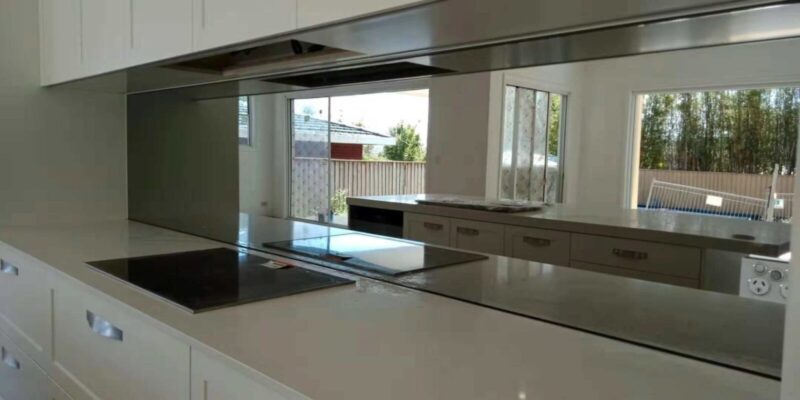
Toughened mirrors are widely used in kitchens, bathrooms, gyms, and commercial interiors where safety is essential. They combine the reflective qualities of standard mirrors with enhanced strength and improved resistance to breakage.
Unlike ordinary glass, toughened mirrors are manufactured to handle higher stress and temperature changes. This makes them suitable for areas exposed to heat, moisture, and accidental impact.
What makes toughened mirrors different

When selecting toughened mirrors, it is important to understand how they are produced. The glass is heated to a very high temperature and then rapidly cooled in a controlled process.
This treatment increases surface compression and overall strength. As a result, the mirror becomes significantly more resistant to impact compared to untreated glass.
Another key difference is how the glass behaves if it breaks. Instead of shattering into large sharp shards, toughened glass breaks into smaller, blunt fragments that reduce the risk of serious injury.
Because of this safety performance, toughened mirrors are often required in areas where building regulations apply. This includes public spaces, gyms, dance studios, and splashback installations behind hobs.
Heat resistance and impact performance
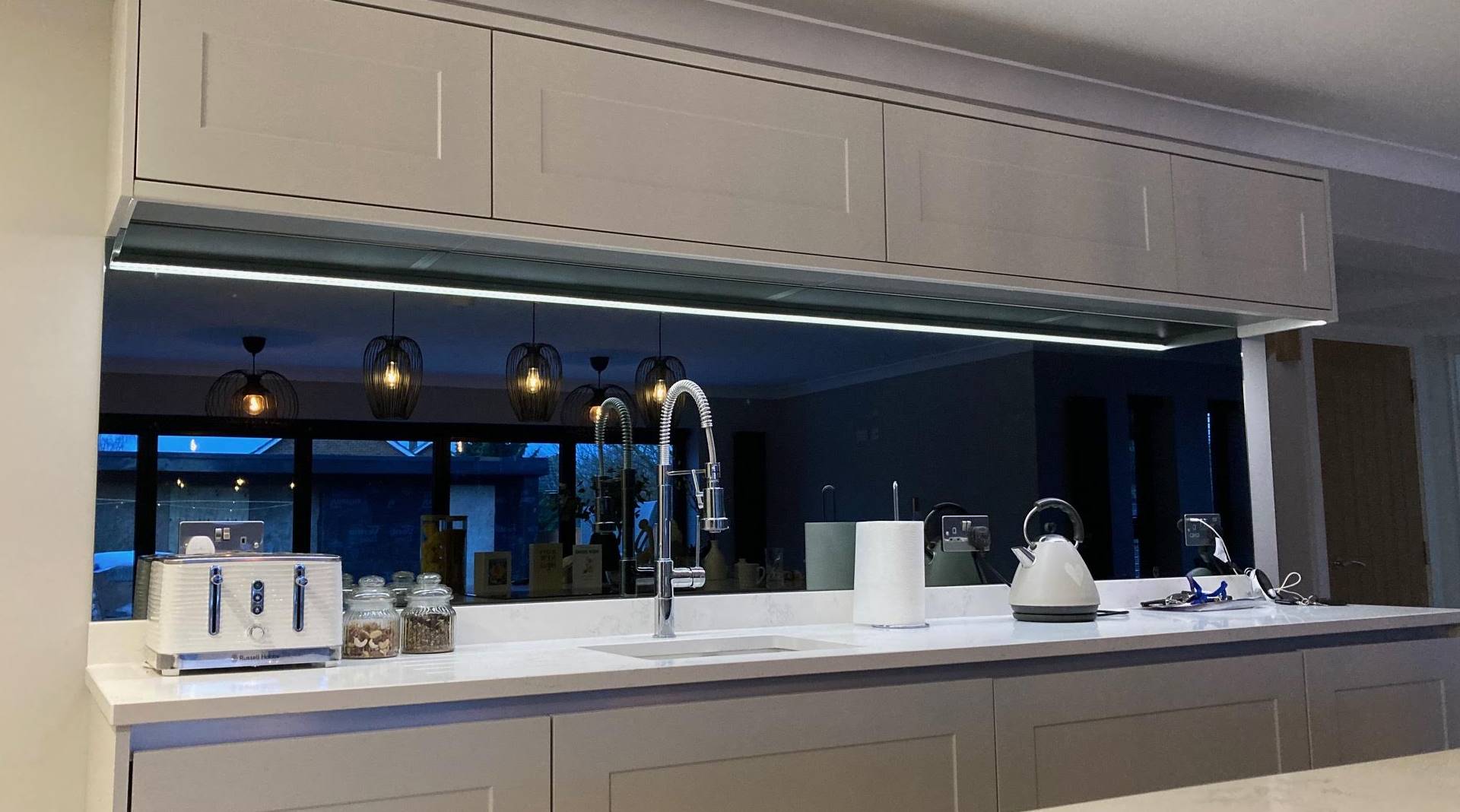
One of the main advantages of toughened mirrors is their ability to tolerate higher temperatures. Standard mirror glass can crack when exposed to sudden heat changes, especially behind cookers or near heat sources.
Toughened versions are designed to handle these thermal variations more effectively. This makes them suitable for kitchens where steam and direct heat are part of everyday use.
Impact resistance is equally important in busy environments. In commercial settings such as fitness studios or retail interiors, accidental knocks are more likely.
The strengthened structure of toughened mirrors provides added reassurance in these spaces. While no glass is completely unbreakable, the improved resistance offers greater durability and peace of mind.
It is also essential that all cutouts and edge finishes are completed before the toughening process. Once the glass has been toughened, it cannot be cut, drilled, or reshaped without breaking.
Compliance, standards, and installation basics
Building regulations in many regions require safety glass in specific locations. This often includes low level glazing, areas near doors, and surfaces close to heat sources.
Toughened mirrors are commonly used to meet these compliance requirements. Always check local building codes or consult a qualified installer to ensure the correct specification is chosen.
Proper measurement and professional installation are just as important as the glass type. Inaccurate sizing can create stress points or gaps that affect both safety and appearance.
Adhesives and fixings must also be suitable for mirror backing. Using inappropriate products can damage the reflective layer or reduce long term durability.
For high moisture environments such as bathrooms, edge sealing may be recommended. This helps protect the mirror backing from corrosion over time.
Conclusion
Toughened mirrors offer a safer and more durable alternative to standard mirror glass. Their resistance to heat and impact makes them ideal for demanding residential and commercial spaces.
By understanding the basics of heat performance, impact strength, and compliance requirements, you can choose a mirror solution that is both stylish and fully aligned with safety standards.